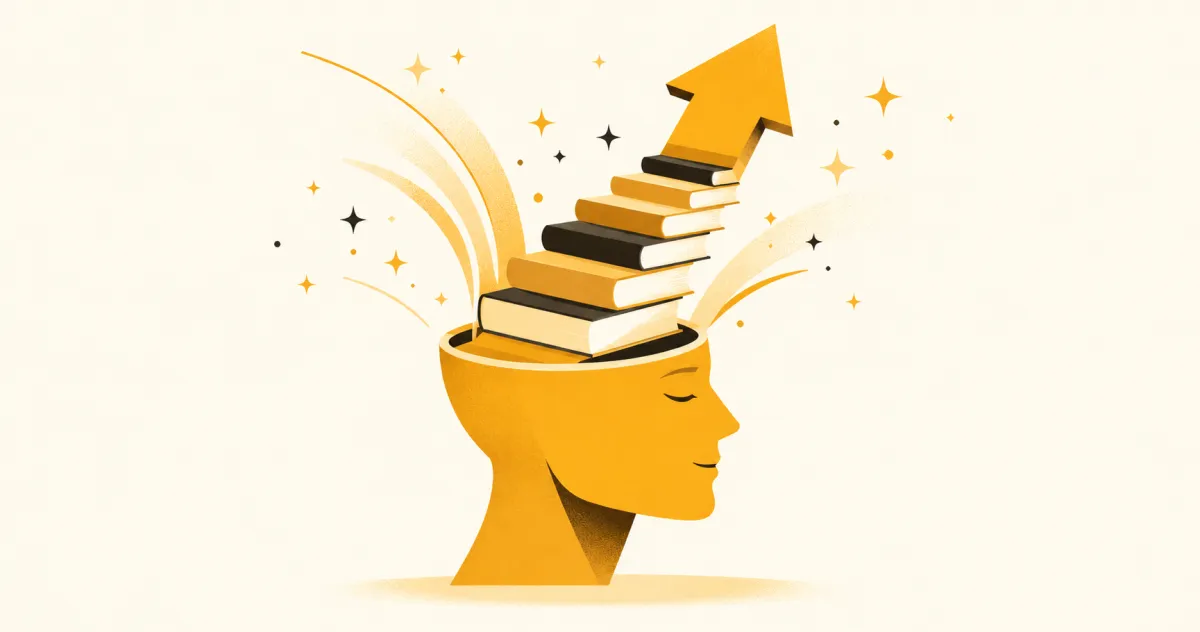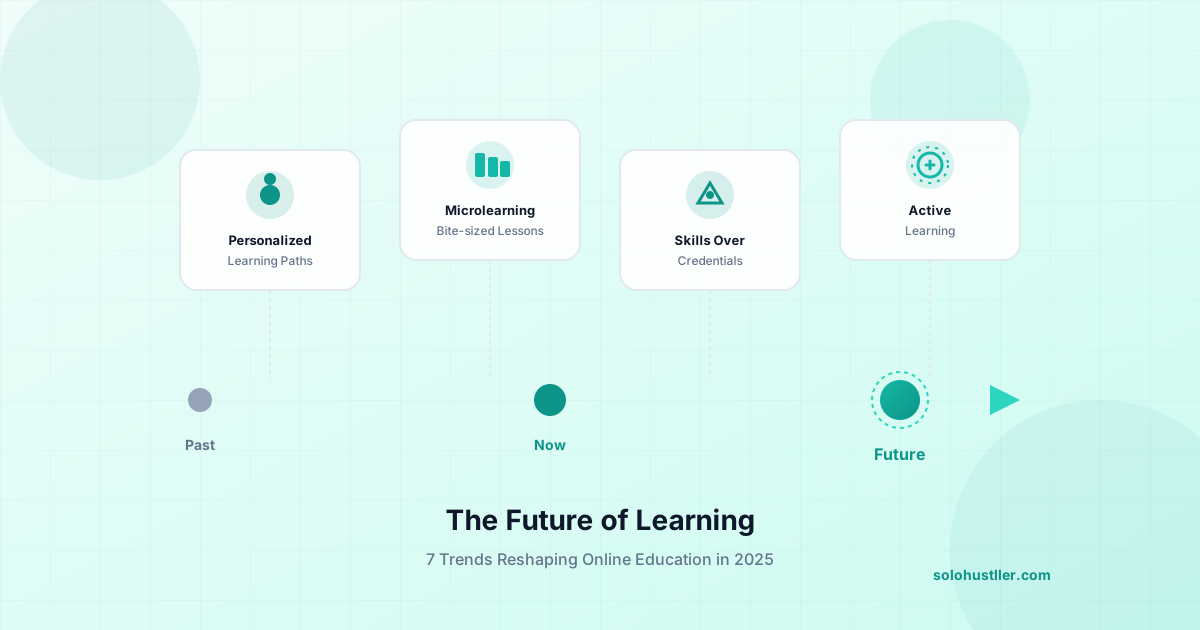
The way we learn is undergoing a fundamental transformation. What worked in education five years ago is becoming obsolete, and what’s emerging promises to be more effective, accessible, and aligned with how our brains actually work.
Whether you’re a professional looking to upskill, a career changer exploring new fields, or a lifelong learner pursuing your passions, understanding these shifts will help you make smarter decisions about your education.
Let’s explore the seven trends reshaping learning and what they mean for your educational journey.
1. The Rise of Personalized Learning Paths
The one-size-fits-all approach to education is dying. Research from the Bill & Melinda Gates Foundation shows that personalized learning can improve student outcomes by 30% compared to traditional methods.
Why Personalization Matters
Every learner brings unique:
- Prior knowledge that shouldn’t be relearned
- Learning goals that determine what’s relevant
- Available time that shapes ideal pacing
- Learning style preferences that affect retention
Traditional courses ignore these differences. Modern platforms are finally catching up, creating experiences that adapt to individual needs rather than forcing everyone through identical content.
What Effective Personalization Looks Like
True personalized learning isn’t just choosing between “beginner” and “advanced.” It involves:
- Initial assessment to determine your actual starting point
- Goal-based curriculum that includes only what you need
- Adaptive difficulty that adjusts as you progress
- Flexible scheduling that fits your life
- Continuous optimization based on your performance
The shift from static courses to dynamic learning paths represents the biggest change in education since the internet itself.
2. Microlearning: Small Lessons, Big Results
Attention spans aren’t shrinking—they’re being optimized. Modern learners have discovered that consuming content in focused bursts often beats marathon study sessions.
The Science Behind Microlearning
Studies from the Journal of Applied Psychology show that:
- Learning in short sessions (15-20 minutes) improves retention by 17%
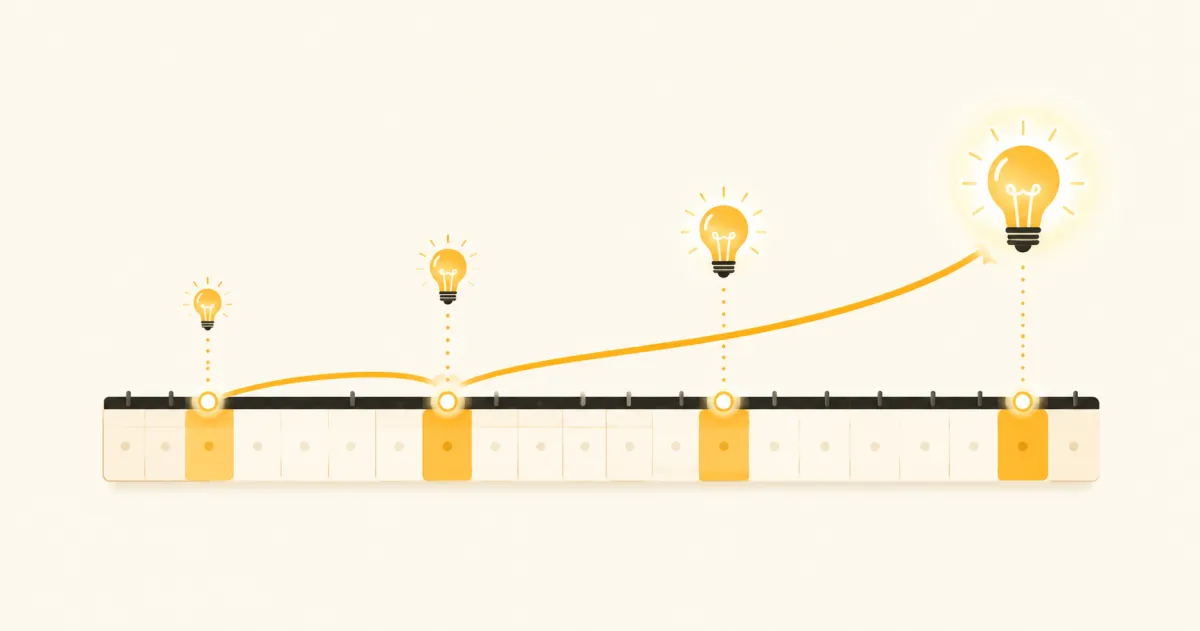
- Spaced repetition across multiple short sessions beats cramming
- Completion rates jump to 83% for microlearning content vs. 15% for traditional courses
How Microlearning Works in Practice
Instead of a 4-hour module on JavaScript fundamentals, effective microlearning breaks this into:
- 10-minute lesson: Variables and data types
- 5-minute practice: Write three variable declarations
- 10-minute lesson: Functions basics
- 10-minute challenge: Create a simple calculator function
- 5-minute review: Key concepts recap
This approach respects your time while building knowledge systematically. You can learn meaningfully in a lunch break or during your commute.
3. Skills Over Credentials: The Portfolio Revolution
Employers are shifting from “What degree do you have?” to “What can you do?” This fundamental change is reshaping how people approach learning.
The Changing Value Equation
According to LinkedIn’s 2024 Workplace Learning Report:
- 76% of hiring managers value demonstrated skills over formal credentials
- Companies using skills-based hiring see 70% more diverse candidate pools
- Portfolio projects are viewed as 3x more predictive of job performance than degrees alone
Building Skills That Matter
The most effective learners now focus on:
Practical Projects Over Passive Consumption
Reading about web development for 100 hours doesn’t equal building five real websites. The future of learning emphasizes creation over consumption.
Verifiable Competencies
Rather than a certificate saying you “completed” a course, modern credentials show what you can actually do. Can you build a functional API? Analyze a dataset? Design a user interface? These are the questions that matter.
Continuous Skill Building
The half-life of skills is shrinking. What you learn today may be outdated in three years. Successful professionals now view learning as an ongoing process, not a one-time achievement.
4. Learning That Fits Your Life, Not the Other Way Around
The traditional model—set schedules, fixed locations, predetermined pace—was designed for institutions, not learners. That’s finally changing.
The Flexibility Revolution
Modern professionals don’t have the luxury of blocking four hours every day for learning. Effective education now adapts to:
- Variable schedules: Learn intensively some weeks, maintain progress during busy periods
- Different contexts: Desktop for deep work, mobile for reinforcement
- Life interruptions: Pause and resume without losing progress
- Energy levels: Challenging content when fresh, review when tired
What Flexible Learning Enables
A marketing manager learning data analysis might:
- Complete intensive lessons on Sunday mornings
- Review concepts during weekday commutes
- Practice exercises during lunch breaks
- Take weekly quizzes on Friday afternoons
This isn’t a compromise—research shows that distributed learning often produces better outcomes than concentrated study.
5. Active Learning Replaces Passive Consumption
Watching videos and reading content feels like learning, but retention studies tell a different story. The future belongs to active learning approaches that engage you as a participant, not a spectator.
The Retention Pyramid
Educational research consistently shows:
- Reading: 10% retention after 24 hours
- Watching videos: 20% retention
- Demonstrating/practicing: 75% retention
- Teaching others/immediate application: 90% retention
Elements of Active Learning
Hands-On Practice
Every concept should be immediately applied. Learn about loops? Write three programs using loops before moving on. This isn’t optional homework—it’s integral to the learning process.
Spaced Repetition
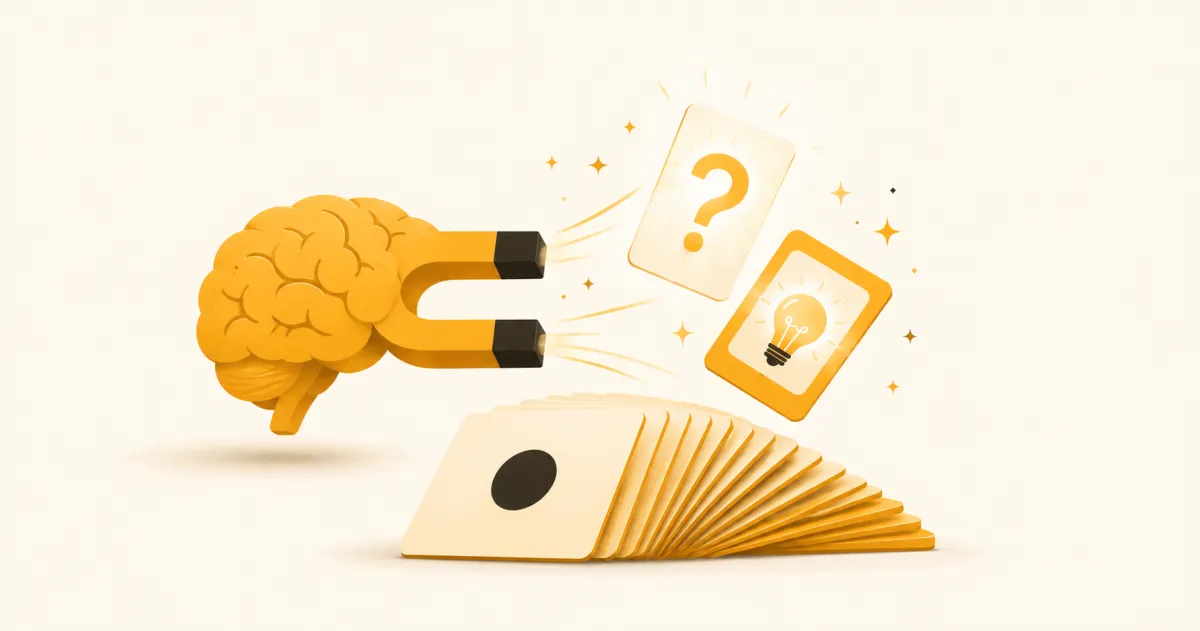
Ideas introduced in week one should reappear in weeks two, three, and four. This isn’t redundancy—it’s how memory actually works. Each review strengthens neural pathways and deepens understanding.
Progressive Challenges
Starting easy and gradually increasing difficulty maintains the sweet spot between boredom and frustration. This “zone of proximal development” is where real learning happens.
Regular Assessment
Weekly quizzes aren’t just tests—they’re learning tools. The act of retrieving information strengthens memory far more than re-reading the same content.
6. Community Learning Without the Compromises
Learning doesn’t happen in isolation. Humans are social creatures, and education benefits from interaction. But traditional classrooms force unnecessary compromises—fixed locations, set schedules, matching pace with others.
The New Community Model
Modern learning communities offer connection without the drawbacks:
- Asynchronous discussion: Participate when it works for you
- Progress-based cohorts: Connect with learners at similar stages
- Mentorship matching: Learn from those slightly ahead
- Accountability partners: Stay consistent with peer support
Why Community Matters
Research from the National Training Laboratories shows that discussion and teaching others dramatically improve retention. Even introverted learners benefit from selective community engagement.
The key is community that supports your individual journey rather than constraining it.
7. Data-Driven Learning Optimization
Every interaction with a learning platform generates data. The future uses this data not for surveillance, but for optimization.
What Smart Platforms Track
Learning Patterns
- When are you most focused?
- What content types work best for you?
- Where do you consistently struggle?
Progress Indicators
- Are you actually understanding, or just completing?
- Which concepts need reinforcement?
- How does your pace compare to your goals?
Outcome Prediction
- At current pace, when will you reach competency?
- What interventions could accelerate progress?
- Are you on track for your stated goals?
Data That Helps, Not Harms
The best use of learning data is showing you insights about your own journey:
- “You learn best in the morning—try tackling challenging topics before noon”
- “This concept typically takes 3 practice sessions to master—you’re on session 2”
- “At your current pace, you’ll complete this path in 6 weeks”
This feedback loop transforms learning from a black box into a transparent, optimizable process.
What These Trends Mean for You
The convergence of these seven trends creates a new paradigm for education:
The Old Model
- One curriculum for everyone
- Fixed schedule and pace
- Passive video consumption
- Credentials over competencies
- Isolated learning
- No feedback on progress
The New Model
- Personalized learning paths
- Flexible, life-compatible schedules
- Active, hands-on practice
- Skills demonstrated through portfolios
- Supportive community connections
- Continuous optimization through data
How to Choose a Learning Platform in 2025
With so many options available, how do you identify platforms that embrace these trends rather than clinging to outdated models?
Questions to Ask
About Personalization:
- Does it assess your starting point before creating a curriculum?
- Does it adapt to your stated goals?
- Can you skip content you already know?
About Flexibility:
- Can you adjust your learning schedule?
- Does it work across devices?
- Can you pause and resume without penalty?
About Active Learning:
- Does it include hands-on practice, not just videos?
- Are there regular assessments to test understanding?
- Does learned content reappear for reinforcement?
About Outcomes:
- Will you build something demonstrable?
- Can you track meaningful progress?
- Does completion translate to capability?
Red Flags to Avoid
- “Complete in 10 hours”: Quality learning can’t be rushed
- No assessment before starting: One-size-fits-all in disguise
- 100% video content: Passive consumption doesn’t build skills
- No way to skip known content: Wastes your time
- Lifetime access as the main selling point: Assumes you’ll never finish
The Opportunity Ahead
We’re living through the most significant transformation in education since the printing press. The gap between effective and ineffective learning approaches has never been wider.
Those who embrace personalized, active, flexible learning will:
- Learn faster by focusing only on what they need
- Retain more through active practice and spaced repetition
- Build real skills demonstrated through projects and portfolios
- Stay current through continuous, manageable learning habits
- Achieve goals that seemed impossible with traditional approaches
The future of learning isn’t about technology for its own sake—it’s about finally aligning education with how humans actually learn, live, and work.
Taking the First Step
Understanding these trends is valuable. Acting on them is transformative.
If your current learning approach involves:
- Watching hours of video without practicing
- Following a curriculum designed for someone else
- Trying to find time for learning instead of integrating it into your life
- Accumulating certificates without building demonstrable skills
…then you’re using yesterday’s tools for tomorrow’s challenges.
The most important step is choosing a learning platform that embodies these principles—one that adapts to you rather than expecting you to adapt to it.
Ready to experience the future of learning today? Solohustller creates personalized learning paths tailored to your goals, schedule, and existing knowledge. No generic courses. No wasted time on content you already know. Just efficient, effective learning designed around you. Start your personalized journey in under 60 seconds—completely free.